
-- Connecting the dots between our economy, government and business --
-- Connecting the dots between our economy, government and business --
 Private insurers were supposed to be ready to cover doulas Jan. 1, but the law is still missing key pieces. And only an estimated 30 percent of people with private insurance in Illinois have plans the state can regulate. For everyone else, it could be much harder to access this benefit.
  The proposal would charge 15 cents per shipment, regardless of how many items it contains. It would apply to certain single-use boxes, mailers and protective packaging used to deliver retail goods to Chicago addresses, including packages shipped from outside the city.
  The Sports Betting Alliance, which represents DraftKings, FanDuel and other sportsbooks, is also lining up to oppose the mayor’s plan to nearly double the Chicago tax on sports betting.
 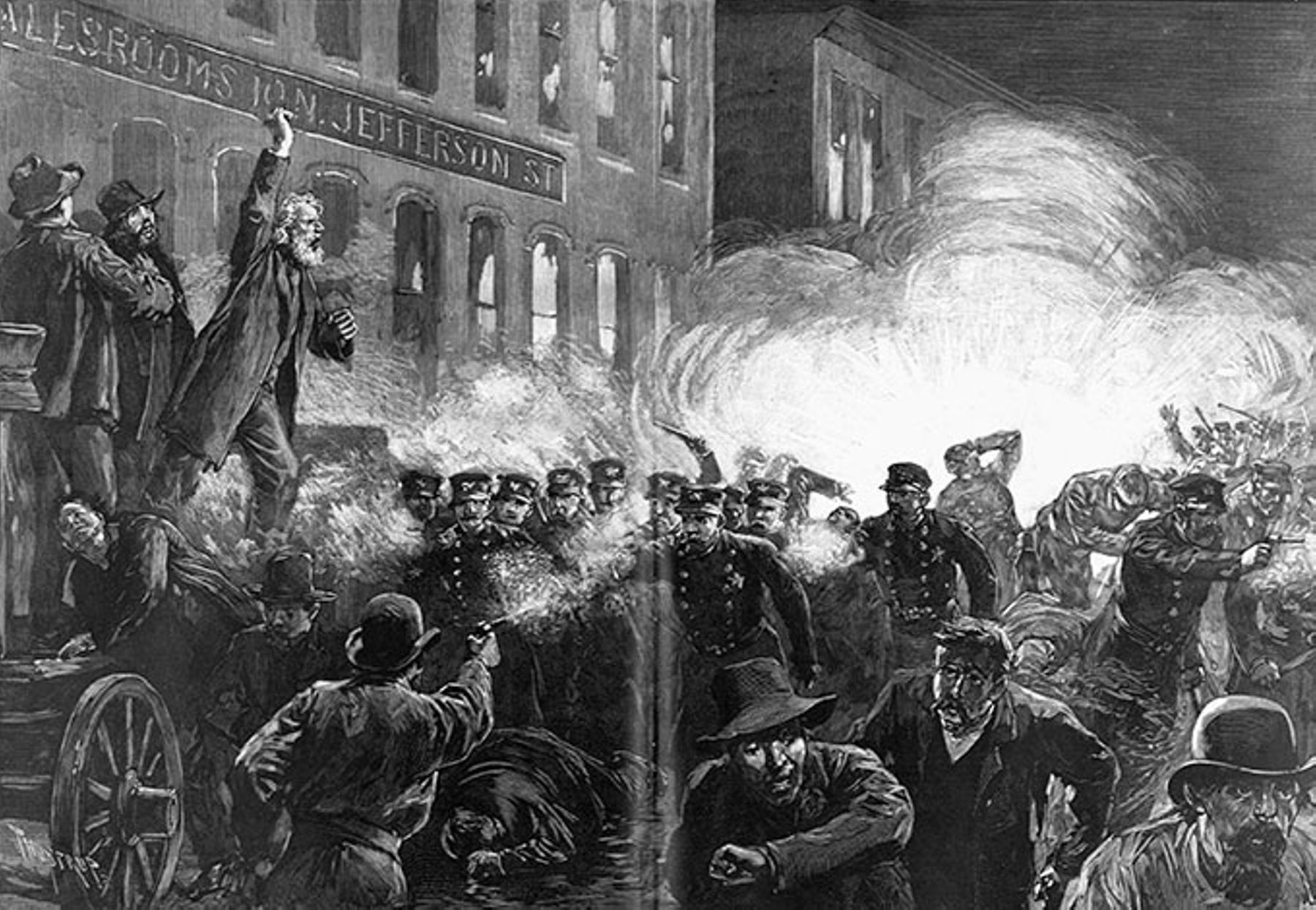 Though this growing movement has yet to implement its most extreme policies, its influence threatens further decline for America’s onetime “Second City” through fiscal irresponsibility, support for substandard education, and contempt for the rule of law.
 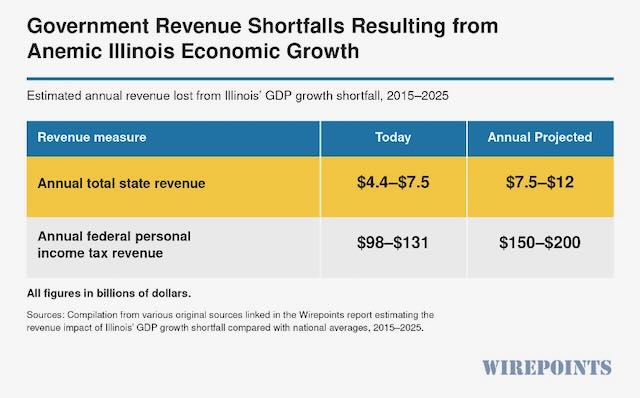 Among the consequences of economic growth that badly lags national averages are billions of lost revenue every year. Yet denial reigns in Illinois, fueling the vicious cycle of demand for higher taxes.
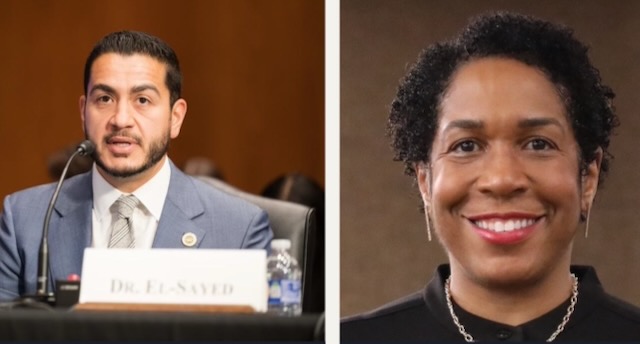 To top it off, Stratton is funded mostly by Gov. JB Pritzker, who has long purported to be a rock solid supporter of Israel's right to exist. El-Sayed is anything but.
 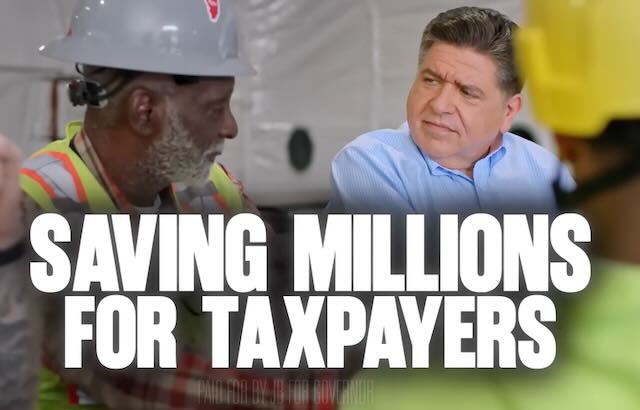 What Pritzker doesn't tell you that it cost taxpayers billions, not millions, in higher taxes to get those upgrades, vastly exceeding the savings.
  Wirepoints will be complementing their mission however we can.



Recent Comments